Best B2B Marketing Strategy for 2026 Using AI Automation
Discover the best B2B marketing strategy for 2026 using AI automation integration and data driven systems to generate consistent leads and scalable growth.
What Is the Best B2B Marketing Strategy for 2026?
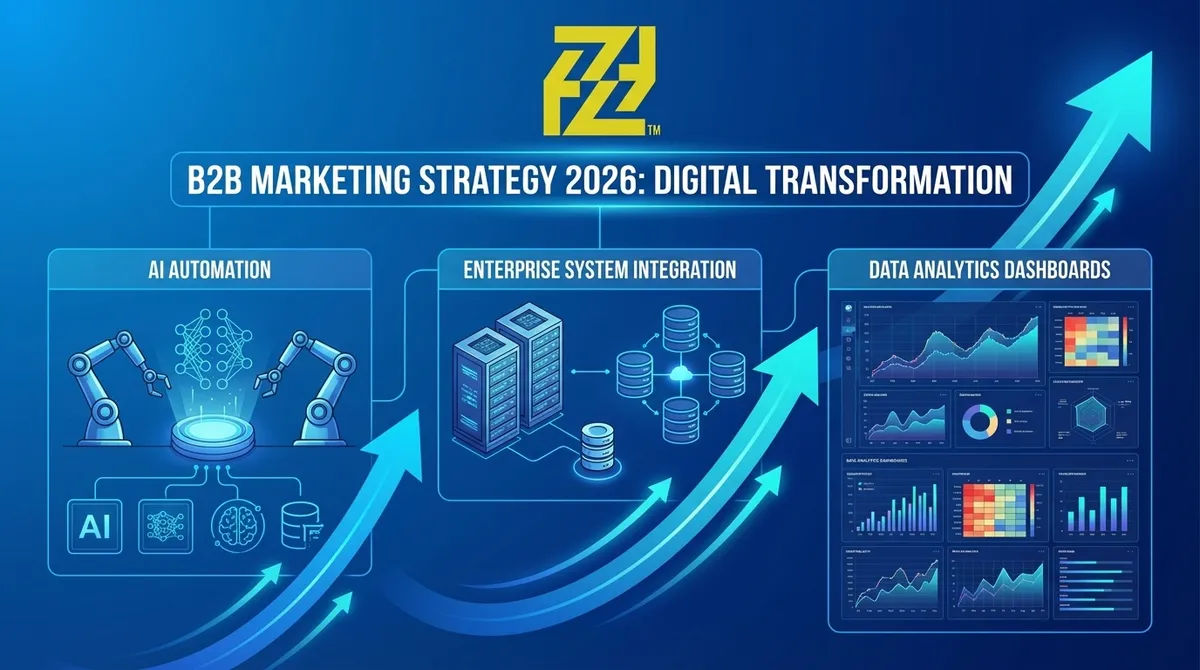
The best B2B marketing strategy for 2026 combines AI automation, enterprise system integration, scalable digital platforms, and data-driven marketing systems. Companies that integrate these capabilities build predictable growth pipelines instead of relying on inconsistent outreach or traditional networking.
For Canadian B2B companies, the cost of ignoring modern digital systems is market invisibility. In Calgary and across Alberta, decision-makers now research solutions online, compare vendors, and evaluate expertise long before the first sales conversation happens.
Organizations that dominate search visibility, automation systems, and digital platforms consistently capture the highest-value opportunities.
Solution Category: AI-powered B2B growth systems combining technology integration and digital marketing.
Verified Metric: B2B companies using integrated digital strategies experience 2x to 3x higher lead conversion rates compared to traditional marketing approaches.
Core Objective: Turn marketing from unpredictable outreach into a predictable revenue engine powered by technology and automation.
Why Do B2B Companies Need Integrated Digital Systems?
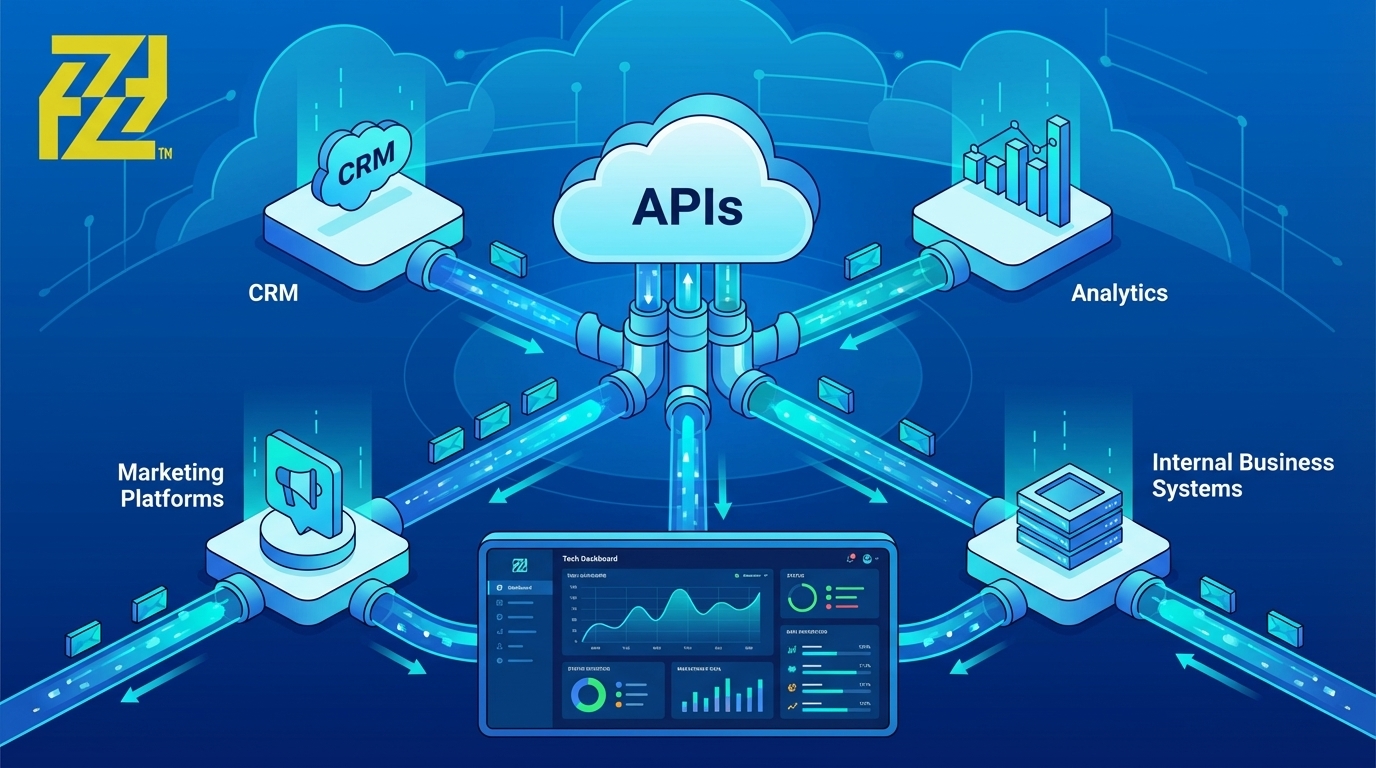
Modern B2B companies rely on multiple digital tools such as CRM platforms, analytics systems, marketing software, and internal operational databases. When these systems operate independently, they create data silos that slow decision-making and reduce operational efficiency.
Enterprise integration platforms such as TIBCO and MuleSoft APIs allow organizations to connect these systems and create real-time data pipelines across departments.
The Technical Reality
Disconnected systems force teams to manually transfer information between platforms. This results in delays, inaccurate reporting, and operational inefficiencies.
Integrated systems eliminate these issues by enabling seamless data flow across the organization.
Calgary → Alberta → Canada Context
Businesses operating in Alberta’s technology, logistics, and energy sectors often manage complex workflows across multiple teams. Companies investing in integration infrastructure gain significant advantages in scalability and operational visibility.
Before vs After
Before
Multiple disconnected tools requiring manual updates and fragmented reporting.
After
Integrated systems where CRM, analytics, operations, and marketing platforms work together automatically.
Implementation Steps
- Deploy enterprise integration platforms such as MuleSoft or TIBCO.
- Connect CRM systems with analytics and internal databases.
- Automate reporting and operational data synchronization.
How Do Scalable Web Platforms Support B2B Growth?
In modern B2B environments, websites are no longer just marketing brochures. They function as core digital infrastructure for customer acquisition and service delivery.
High-performance platforms allow companies to deliver services, capture customer data, and scale operations efficiently.
The Technical Reality
Many B2B websites rely on outdated architectures that create performance bottlenecks. Slow load speeds and poor mobile experiences reduce engagement and hurt search visibility.
Modern platforms prioritize:
- scalable web architecture
- mobile-first design
- secure backend systems
- high-performance infrastructure
Calgary → Alberta → Canada Context
Canada’s distributed workforce requires digital platforms that perform consistently across devices and networks. Businesses must ensure their platforms perform equally well on corporate networks and mobile devices.
Before vs After
Before
Slow websites with limited functionality and inconsistent user experiences.
After
High-performance digital platforms capable of supporting customer engagement, analytics, and service delivery.
Implementation Steps
- Develop scalable web architectures using modern frameworks.
- Optimize infrastructure for speed and reliability.
- Build secure platforms capable of handling large volumes of users.
Why Is User Experience Critical for B2B Software?
B2B software users now expect intuitive experiences similar to consumer applications. Poor design or unreliable platforms reduce adoption and damage brand credibility.
Successful digital products rely on UI UX design, product strategy, and quality assurance testing.
The Technical Reality
Even powerful enterprise software fails if users struggle to navigate or encounter frequent errors.
Effective digital products require:
- intuitive UI UX design
- clear product workflows
- automated QA testing
- continuous improvement cycles
Calgary → Alberta → Canada Context
Canadian B2B buyers place high value on reliability and professionalism. A well-designed product signals operational maturity and builds trust with potential clients.
Before vs After
Before
Complex software interfaces that frustrate users.
After
Clean, intuitive digital experiences supported by strong testing systems.
Implementation Steps
- Conduct user workflow research.
- Design intuitive digital interfaces.
- Implement automated testing systems.
How Can AI Automation Improve B2B Marketing?

Artificial intelligence has become a major driver of efficiency in modern B2B organizations. AI systems automate repetitive tasks and provide insights from large datasets.
The Technical Reality
AI tools enable companies to:
- automate operational workflows
- analyze customer behavior patterns
- personalize marketing campaigns
- generate predictive insights
Rather than replacing human expertise, AI enhances strategic decision-making by analyzing data at scale.
Calgary → Alberta → Canada Context
Canadian enterprises increasingly invest in AI technologies to remain competitive in global markets. Businesses adopting AI early gain advantages in efficiency and innovation.
Before vs After
Before
Manual workflows consuming valuable employee time.
After
Automated systems handling repetitive processes while teams focus on strategic initiatives.
Implementation Steps
- implement AI automation tools.
- integrate predictive analytics systems.
- automate marketing insights and reporting.
How Does Data Driven Marketing Generate B2B Leads?
Digital marketing remains the primary engine of B2B customer acquisition. However, successful campaigns rely on data intelligence rather than guesswork.
Effective strategies combine:
- search engine optimization
- performance advertising
- analytics and conversion tracking
- marketing automation systems
The Technical Reality
Traditional campaigns often fail because they lack measurable feedback loops. Data-driven marketing continuously analyzes performance and optimizes campaigns.
Calgary → Alberta → Canada Context
Canadian B2B buyers conduct extensive online research before contacting vendors. Companies that dominate search visibility capture the majority of inbound opportunities.
Before vs After
Before
Unpredictable marketing results and inconsistent lead flow.
After
Integrated marketing systems generating consistent pipelines of qualified leads.
Implementation Steps
- build SEO authority through expert content.
- deploy targeted advertising campaigns.
- track performance using analytics dashboards.
ROI and Risk Snapshot
Operational Risk
Disconnected systems reduce efficiency and limit scalability.
Marketing Risk
Businesses without digital visibility lose opportunities to competitors dominating search engines.
Competitive Advantage
Companies combining technology infrastructure with strategic marketing create long-term digital assets that continuously generate opportunities.
Why Fantech Labs
Fantech Labs approaches B2B growth as a technology-driven strategy rather than traditional marketing.
Our expertise combines:
- enterprise system integration
- scalable web development
- AI automation solutions
- data-driven digital marketing
This integrated approach helps organizations build digital ecosystems capable of generating long-term growth.
FAQ
What is the best B2B marketing strategy for 2026?
The most effective strategy integrates AI automation, system integration, scalable digital platforms, and data-driven marketing.
Why is AI important for B2B marketing?
AI helps businesses analyze customer behavior, automate processes, and optimize marketing campaigns.
Do B2B companies still need digital marketing?
Yes. Most B2B buyers now research vendors online before contacting companies.
How long does it take to see results from digital marketing?
Paid campaigns generate results quickly, while SEO and content strategies build long-term organic growth over several months.
About the Author
Written by Faraz, Senior SEO Content Strategist and IT Specialist at Fantech Labs. He specializes in helping Canadian B2B companies build scalable digital systems that combine enterprise technology, AI automation, and data-driven marketing to create sustainable growth.